
Category: Blog

Your blog category

  • 3 Proven ways to Automate QA Testing Using Cypress, Playwright, and Selenium

    3 Proven ways to Automate QA Testing Using Cypress, Playwright, and Selenium

    Introduction

    Automate QA Testing:
    Automation is essential for modern software development. Manual testing is time-consuming and prone to human error, while automated testing ensures faster, reliable, and repeatable results. In this post, we’ll explore Cypress, Playwright, and Selenium, their setup, pros and cons, and provide a mini tutorial for each.

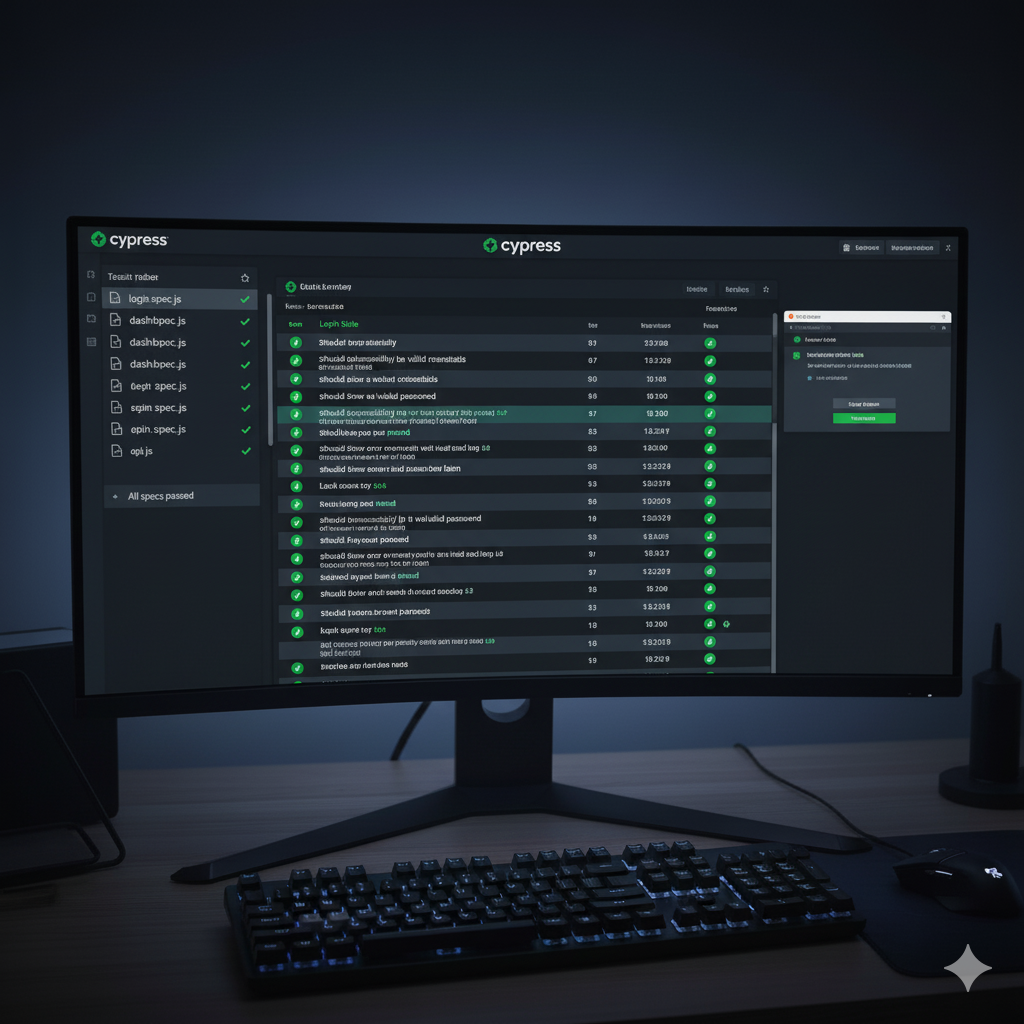
    Cypress

    Cypress is a modern testing framework designed specifically for frontend testing of web applications.

    Pros:

    • Real-time reloads for fast feedback
    • Easy to set up and use
    • Supports Mocha and Chai for assertions

    Cons:

    • Limited cross-browser support (mainly Chromium-based)
    • Cannot test multiple tabs easily

    Use-case: End-to-end (E2E) testing of React, Vue, and Angular apps.
    Playwright

    Playwright is a cross-browser automation tool that works for frontend and end-to-end testing.

    Pros:

    • Supports Chrome, Firefox, WebKit
    • Can test multiple pages/tabs
    • Powerful for complex workflows

    Cons:

    • Slightly steeper learning curve than Cypress
    • Larger setup than Cypress

    Selenium

    Selenium is the classic automation framework for web applications, supporting multiple languages and browsers.

    Pros:

    • Language flexibility (Java, Python, C#, etc.)
    • Supports almost all browsers
    • Mature and widely adopted

    Cons:

    • Requires more setup than Cypress
    • Slower test execution for complex scenarios

    Comparison Table

    ToolBrowser SupportEase of UseSpeedBest For
    CypressChrome, EdgeEasyFastE2E testing, frontend apps
    PlaywrightChrome, Firefox, WebKitModerateFastCross-browser, complex flows
    SeleniumAll major browsersModerateModerateLegacy apps, multi-language

    Conclusion

    Automating QA testing saves time, improves reliability, and ensures higher quality software. For React or modern SPAs, Cypress is great for quick E2E testing. Playwright is ideal for cross-browser testing, while Selenium remains the go-to for multi-language and legacy projects.

    CTA: Try these tools on your next project
  • Top 10 Frontend Development Tools Every Developer Should Know in 2025

    Top 10 Frontend Development Tools Every Developer Should Know in 2025

    Introduction

    Frontend development is evolving rapidly, and keeping up with the best tools can give you a huge advantage. In 2025, frameworks, libraries, and testing tools are more powerful than ever. In this post, we’ll cover the top frontend development tools, their pros and cons, and practical use-cases for developers of all levels.

    React

    React remains the most popular frontend framework, powering millions of web applications.

    Pros:

    • Component-based architecture
    • Large community and ecosystem
    • Excellent for SPAs (Single Page Applications)

    Cons:

    • Steep learning curve for beginners
    • Requires additional tools for full-stack apps

    Use-case: Building dynamic UIs like dashboards, e-commerce sites, and portfolios.

    Vite

    Vite is a lightning-fast build tool that replaces traditional bundlers like Webpack.

    Pros:

    • Extremely fast hot module replacement (HMR)
    • Simple configuration
    • Works well with modern frameworks

    Cons:

    • Some plugins may not be compatible
    • Newer, so fewer tutorials than Webpack

    Use-case: Bootstrapping React or Vue projects with instant feedback.

    3. Tailwind CSS

    Tailwind CSS is a utility-first CSS framework that makes styling faster and more maintainable.

    Pros:

    • Highly customizable
    • Small bundle size
    • Rapid prototyping

    Cons:

    • Classes can get long and messy
    • Learning curve if you’re used to traditional CSS

    Use-case: Fast responsive web designs for portfolio sites and dashboards.

    Framer Motion

    Framer Motion is a React animation library for smooth transitions and interactions.

    Pros:

    • Easy to use with React components
    • Highly customizable animations
    • Improves UX significantly

    Cons:

    • Extra library adds bundle size
    • Animations may be overkill for simple sites

    Use-case: Interactive buttons, modal transitions, and page animations.

    5–10. Other Essential Tools

    • Cypress: Frontend testing automation
    • Playwright: Cross-browser automation
    • ESLint & Prettier: Code formatting and linting
    • Postman: API testing for frontend-backend integration
    • GitHub Actions: Automate builds and deployments
    • Figma: UI/UX design and prototyping

    Conclusion

    Mastering these frontend development tools in 2025 can make your workflow faster, code cleaner, and projects more professional. Start with the tools that fit your project’s needs, and gradually expand your toolkit.

    more